Introduction
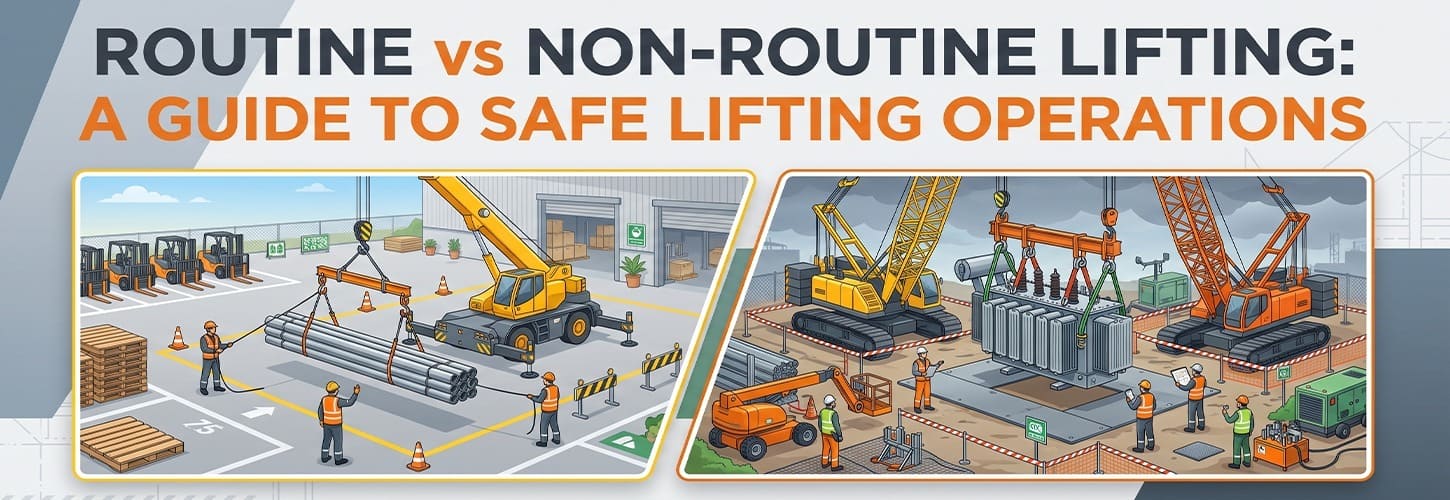
Lifting operations are part of everyday work in construction, manufacturing, warehouses, oil and gas, and many other industries. Some lifts are carried out regularly, while others involve unusual loads or more difficult working conditions. Knowing the difference between routine and non-routine lifting helps teams choose the right level of planning and control before a lift begins.
What Is Routine Lifting?
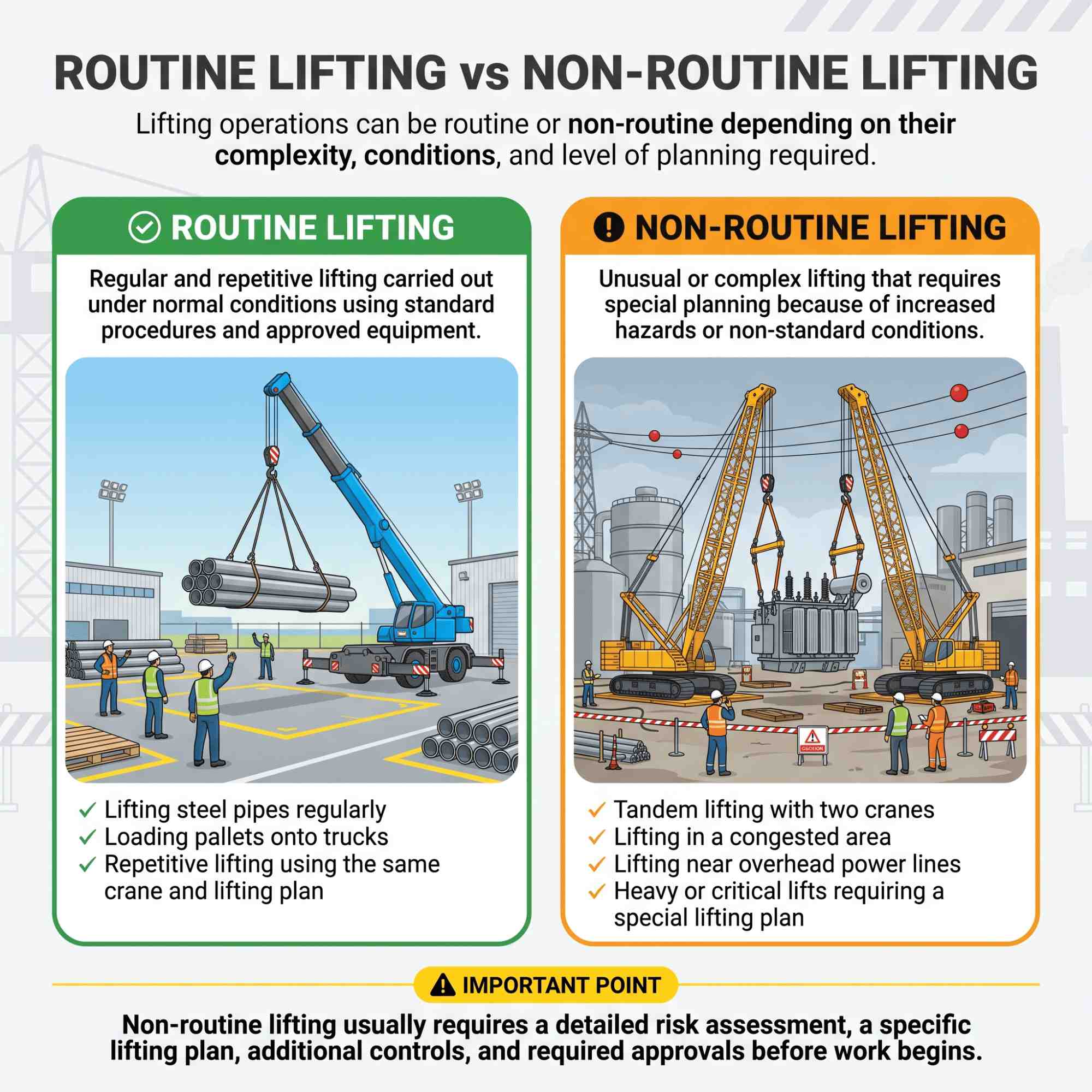
Routine lifting refers to lifting jobs that are carried out regularly under familiar working conditions. The task normally follows an established procedure using suitable lifting equipment.
Typical examples include:
Even if the job is familiar, it should never be treated casually. The load, crane, lifting accessories, work area, and site conditions should always be checked before starting.
What Is Non-Routine Lifting?
A non-routine lift is a lifting job that is unusual, more complex, or involves additional hazards that need careful planning.
Examples include:
Because the risks can be higher, these lifts often need a detailed risk assessment, specific lifting plan, competent personnel, clear communication, additional controls, and necessary approvals before the work begins.
Routine vs Non-Routine Lifting: What Is the KeyDifference?
The difference comes down to how straightforward or complex the lift is and how much planning it needs. A routine lift is a familiar task carried out under known conditions, while a non-routine lift may involve unusual loads, changing site conditions, or additional hazards.
Even a regular lifting job may need to be treated as non-routine if the load, equipment, location, or working conditions change.
Why Is Lift Planning Important?
No lifting operation should be considered safe simply because it has been completed successfully before. Conditions can change from one lift to the next.
Before lifting, consider:
If any of these conditions change, the lifting plan and risk assessment should be reviewed before proceeding.
For safer execution, follow a structured step-by-step guide to safe lifting and rigging procedures before carrying out any lifting operation.
Building Safer Lifting Operations
Safe lifting depends on more than the equipment being used. Proper planning, competent personnel, equipment inspection, clear communication, supervision, and effective risk controls all play an important role in preventing lifting incidents.
Green World Group provides Lifting Safety Training, Corporate HSE Training, Safety Audits, and HSE Consultancy Services to help organizations strengthen lifting safety and build safer workplaces.


Our Industry-Specific Corporate Training Programs
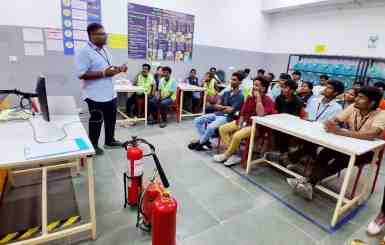
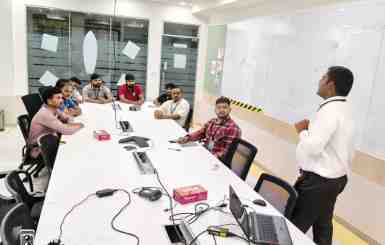
We deliver tailored training solutions for industrial organizations, focusing on practical HSE skills, compliance, and workforce development to improve safety performance and reduce risks.
Our Recent projects
Contact Us
Kindly call our Experts @ +91 8121563728 / +91 8015527650 or mail us @ kalyan.r@greenwgroup.com / prathyusha.b@greenwgroup.com

Get Your Query Answered / Get Expert Assistance To Choose the Right Course for You Or Your Associates