
Introduction
Line of fire hazards remain one of the leading causes of serious workplace injuries across industries like construction, oil & gas, manufacturing and logistics. These incidents often occur suddenly leaving little time to react.
Many injuries are preventable when hazards are identified early and controlled effectively. Understanding how workers get exposed to these risks is the first step toward safer operations.
What Is Line of Fire Hazards?
A line of fire is the area where a worker can be struck, caught, or exposed to harmful energy due to the movement of objects, equipment, or materials.
These hazards are common in dynamic work environments and require constant attention, as unexpected movement or sudden energy release can lead to immediate injury if proper positioning is not maintained.
They can be identified by assessing surroundings, recognizing potential movement or energy sources, and evaluating work conditions before starting any task.
Understanding the Line of Fire Hazards -Types, Meaning & Causes
Line of Fire Hazards are typically found in many workplaces, especially where machinery or heavy equipment is operated.
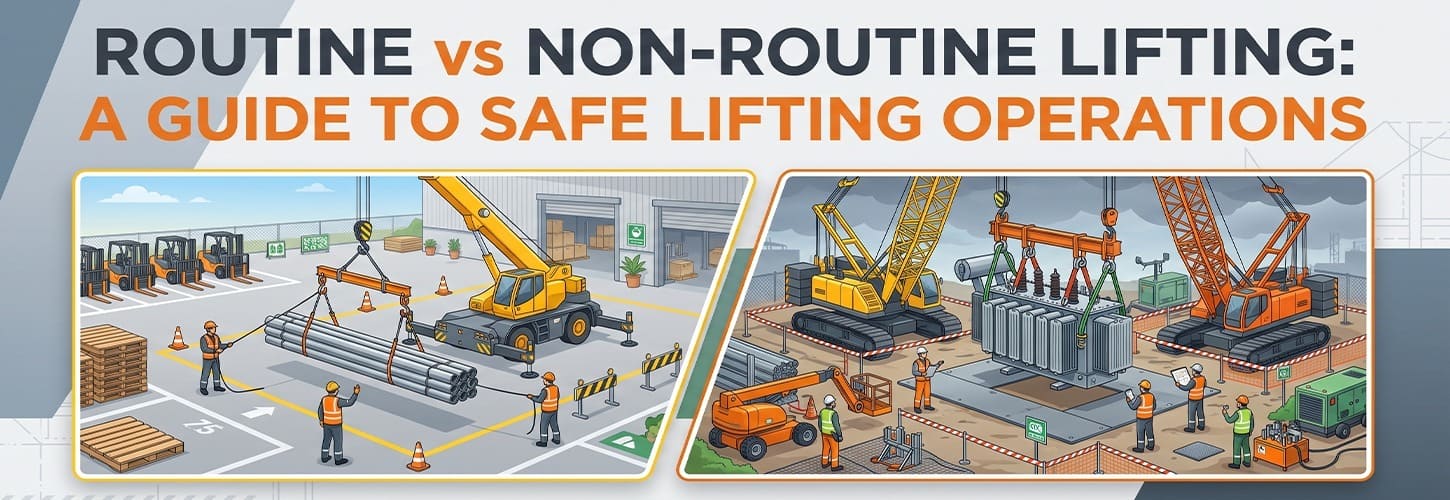
Imagine you are working in an industrial area where lifting, vehicle movement, and machinery operations are happening at the same time. In this single situation, multiple line of fire hazards can develop:
1.Struck-By Hazard (Hit by Moving Object)
As the crane lifts the load, it suddenly swings due to wind or sudden movement. If you are standing close to the load or within its movement path, it can strike you instantly.
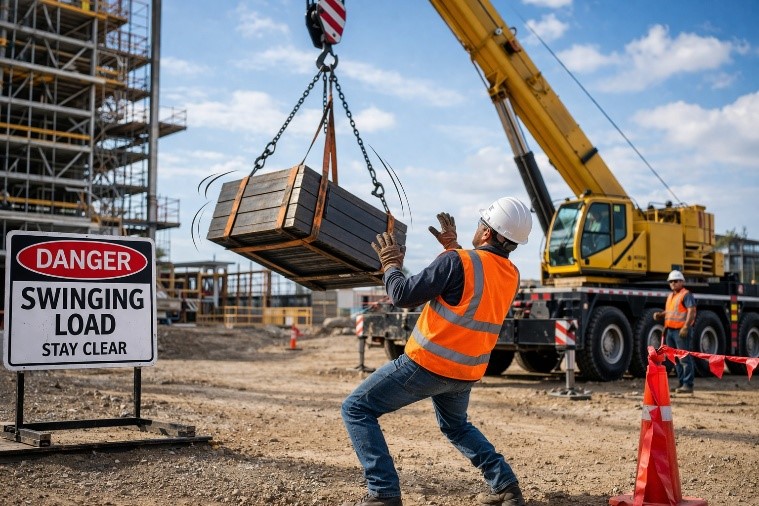
What this means: You are in the line of movement of an object.
Why it happens:
- Standing too close to suspended loads
- Not recognizing swing radius
- Lack of awareness of movement
2. Caught-In or Between Hazard (Crush Risk)
While focusing on guiding the load, you step behind a reversing truck. The driver may not see you due to a blind spot, and the vehicle continues moving.
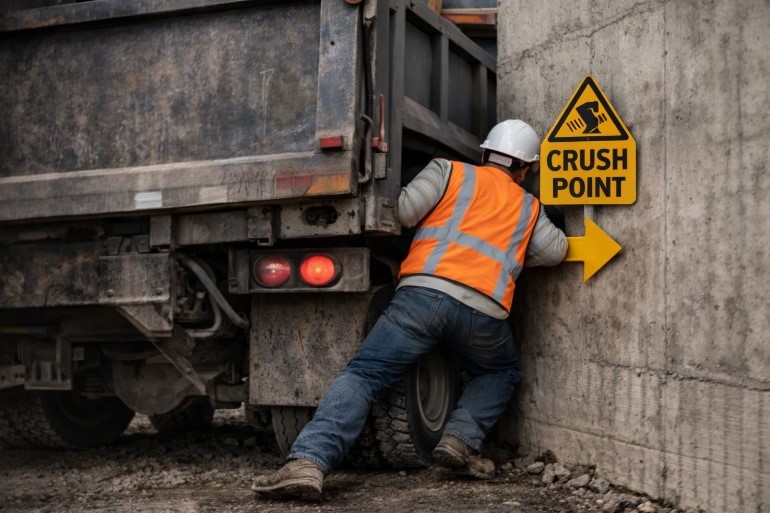
What this means: You are in a pinch point between a moving object and a fixed surface.
Why it happens:
- Poor positioning
- Limited visibility
- Miscommunication between workers
3.Released Energy Hazard (Sudden Force)
Nearby, a hydraulic hose connected to equipment is under pressure. If the hose fails or disconnects, it can whip or release high-pressure fluid suddenly, hitting anyone close by.
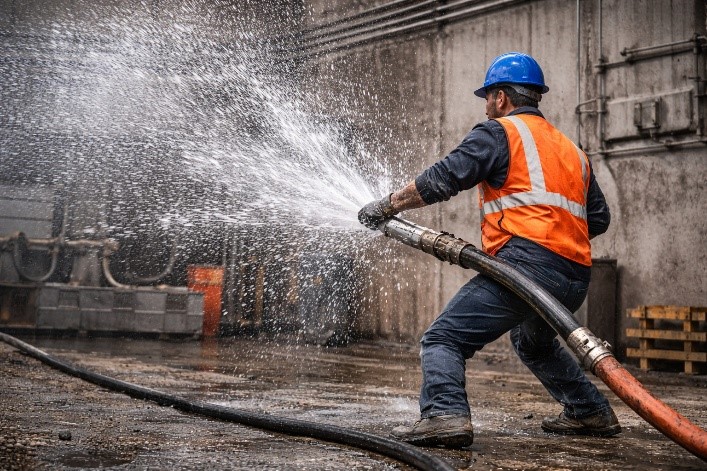
What this means: You are exposed to stored energy that is suddenly released.
Why it happens:
- Lack of proper isolation
- Equipment failure
- Not identifying energy sources
In this one situation, three different line of fire hazards exist at the same time. Staying aware of your surroundings and maintaining safe positioning is the key to avoiding these risks.
To know the step-by-step procedure for Safe Lifting, rigging and material handling operation, Click Here
Other Common Line of Fire Hazards Examples
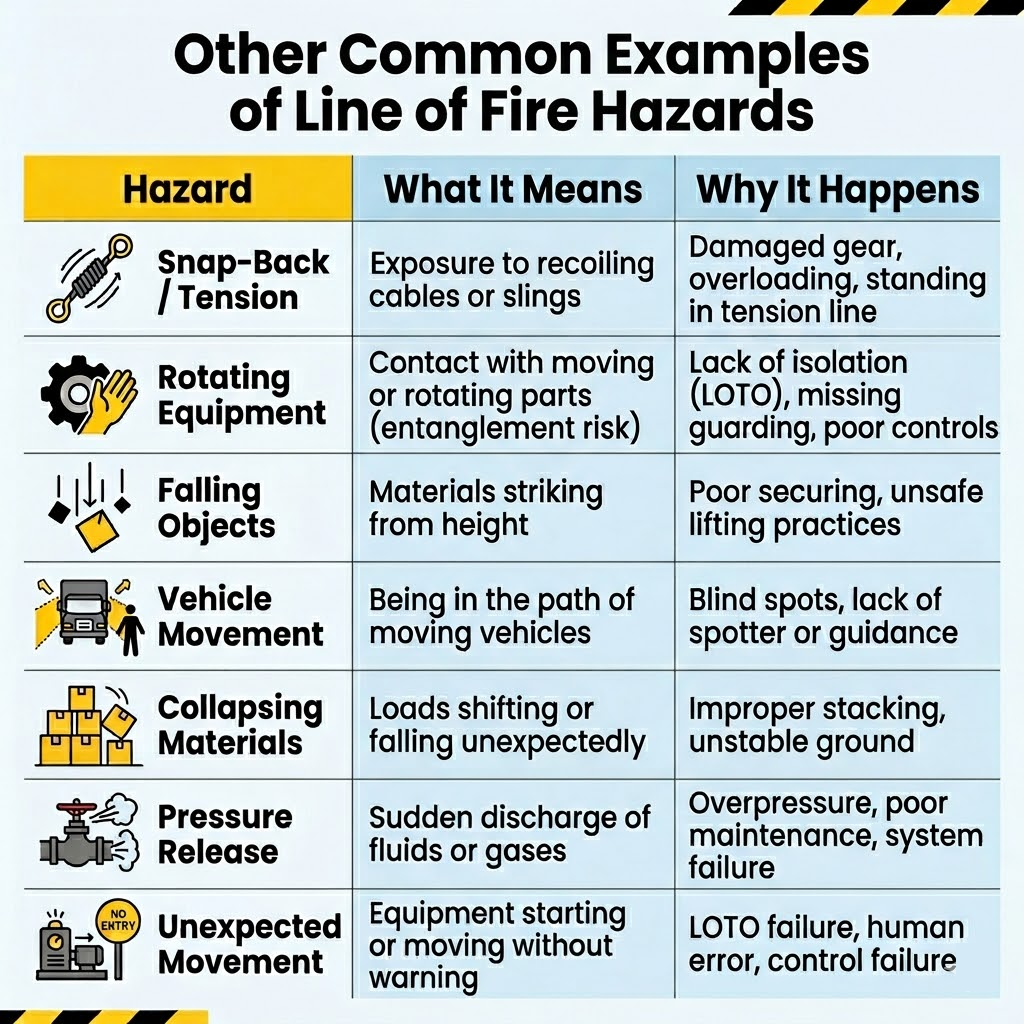
Common Workplace Activities That Cause Line of Fire Injuries
Manufacturing & Industrial
- Activities: Operating machinery, working near conveyors, maintenance without proper isolation (LOTO)
- Injuries: Caught-in/between injuries, amputations, hand and finger injuries
Construction & Infrastructure
- Activities: Working near suspended loads, crane operations, equipment movement and demolition work
- Injuries: Struck-by falling objects, crush injuries, head trauma
Oil & Gas / Energy
- Activities: Handling pressurized systems, pipeline work, drilling operations and equipment servicing
- Injuries: High-pressure release injuries, burns, internal injuries
Warehousing & Logistics
- Activities: Forklift operations, reversing vehicles, loading and unloading materials
- Injuries: Struck-by vehicle incidents, crush injuries, lower limb injuries
Mining & Heavy Industry
- Activities: Operating heavy mobile equipment, blasting and material handling in unstable areas
- Injuries: Severe impact injuries, crush injuries, fatalities
Utilities & Electrical
- Activities: Working on energized systems, cable handling and maintenance of electrical infrastructure
- Injuries: Electrical shock, burns, secondary impact injuries
Tips for Avoiding Line of Fire Hazards:
Types of Training for Line of Fire Hazards & Their Uses
Conclusion: Equip your Employees
Line of fire hazards can be controlled with the right knowledge, awareness, and training. When workers understand how to spot risks, avoid danger zones and make safer decisions, the workplace becomes much safer for everyone. With expert guidance from Green World Group, professionals can develop the practical skills needed to manage these hazards effectively and strengthen overall workplace safety.
Contact Us
Kindly call our Experts @ +91 8121563728 / +91 8015527650 or mail us @ kalyan.r@greenwgroup.com / prathyusha.b@greenwgroup.com

Get Your Query Answered / Get Expert Assistance To Choose the Right Course for You Or Your Associates