
What is Confined Space Ventilation?
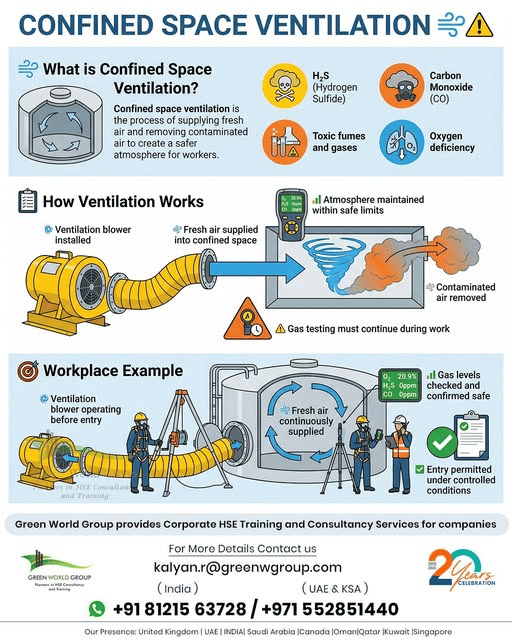
Confined space ventilation is the mechanical process of supplying fresh air and exhausting hazardous gases from an enclosed or confined space (such as a tank, silo, or manhole). It is a critical safety measure used to maintain breathable oxygen levels and dilute toxic or explosive vapors before and during worker entry.
Importance of Confined Space Ventilation
Confined spaces can accumulate deadly gases like
Natural air currents are rarely sufficient or reliable for flushing these out. Proper ventilation ensures that:
How Does Confined Space Ventilation Work?
Mechanical ventilation uses ventilation blowers, extraction fans, and flexible ducting to supply fresh air, remove contaminated air, and maintain a safe atmosphere during confined space entry.
Key Confined Space Ventilation Equipment
How the Ventilation Process Works:
Workplace Example
Before entering any confined space, a ventilation blower must run for a sufficient period to expel any harmful gases. Air must continue circulating throughout the entire process, and oxygen and hazardous gas levels must be monitored by gas detectors. Workers should be permitted to enter only after the atmosphere has been successfully tested.
Benefits of Confined Space Safety Training
Conclusion
The use of confined space ventilation helps to keep workers safe from hazardous atmospheres. By integrating this practice with gas testing, atmosphere monitoring, permits to work, and confined space safety training, it greatly reduces the risk of workplace hazards.
Confined Space Training with Green World
Green World Group offers comprehensive Confined Space Safety Training for everyone involved in confined space operations.
Our Training Programs:

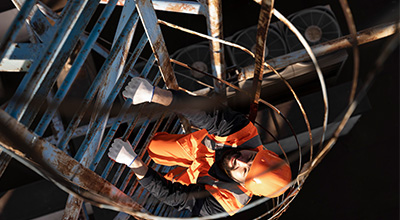
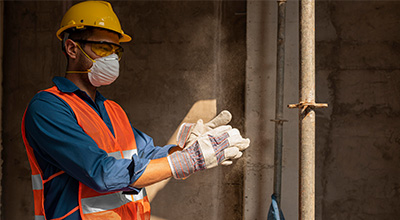
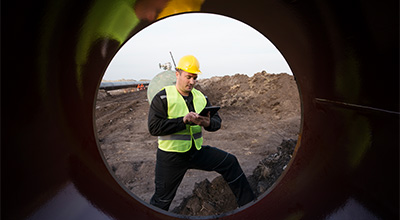
Our Industry-Specific Corporate Training Programs
We deliver tailored training solutions for industrial organizations, focusing on practical HSE skills, compliance, and workforce development to improve safety performance and reduce risks.
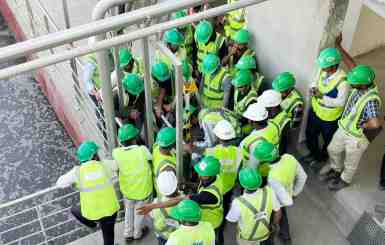
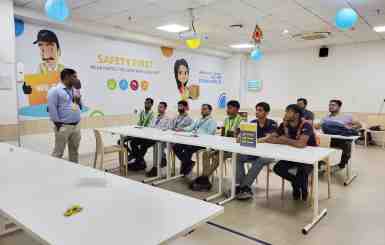
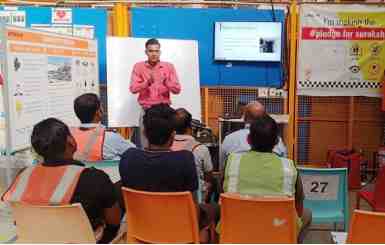
Our Recent projects
Contact Us
Kindly call our Experts @ +91 8121563728 / +91 8015527650 or mail us @ kalyan.r@greenwgroup.com / prathyusha.b@greenwgroup.com

Get Your Query Answered / Get Expert Assistance To Choose the Right Course for You Or Your Associates