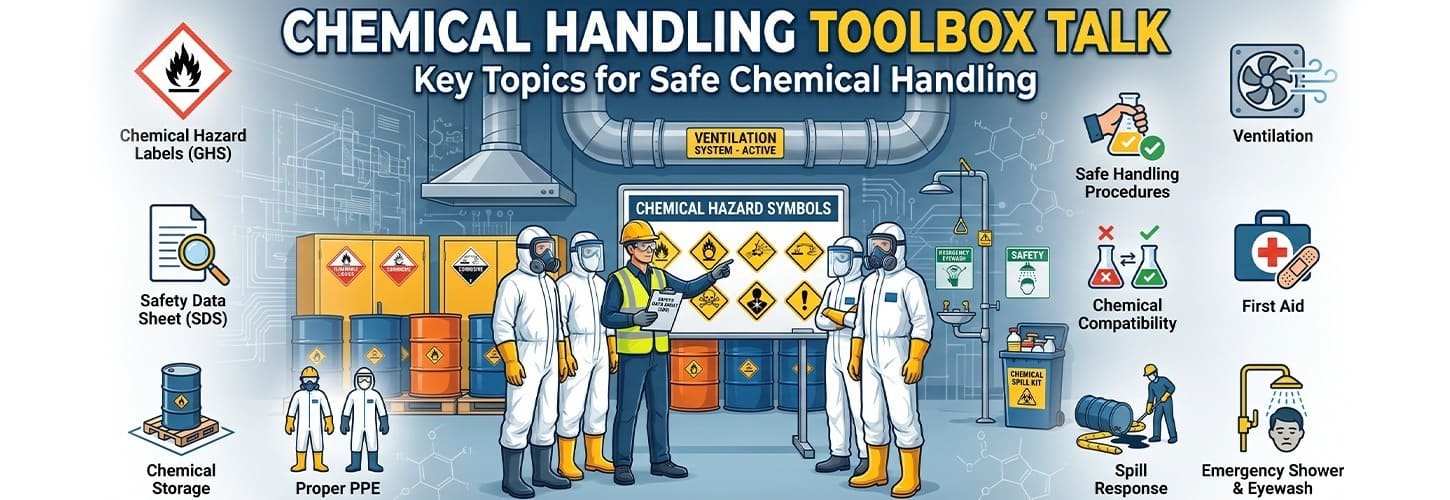
Chemical Handling Toolbox Talk: Key Topics for Safe Chemical Handling
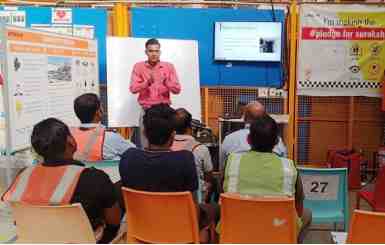
A Chemical Handling Toolbox Talk (TBT) is a short practical guide that educates workers about chemical hazards, safe usage of chemicals and ways to avoid workplace incidents. Routine toolbox talks boost awareness about hazards and help adhere to safe chemical handling techniques.
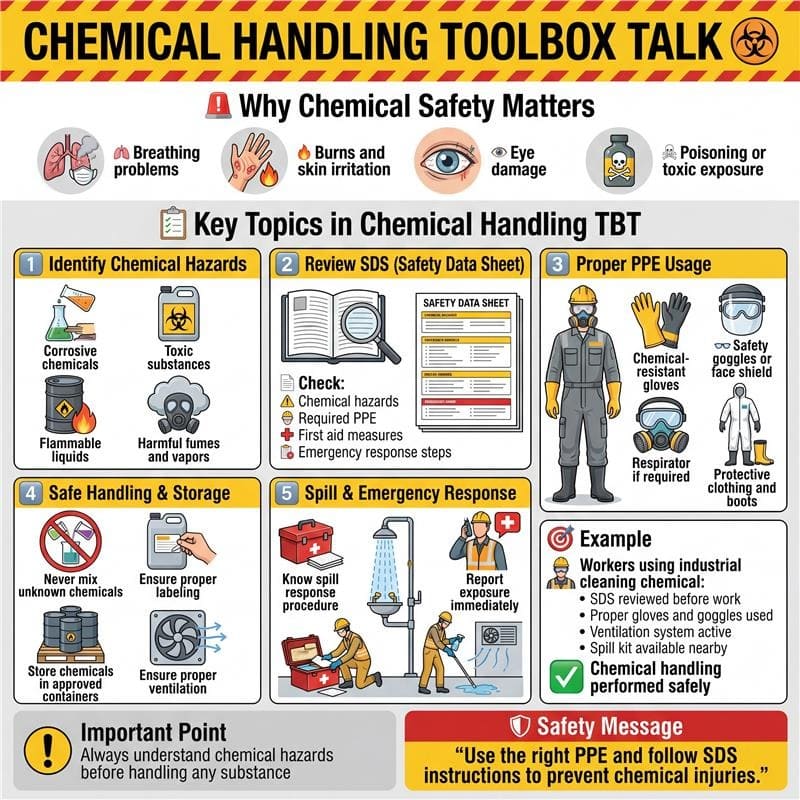
Why Chemical Safety Matters?
Wrong chemical handling results in:
Knowing potential risks helps you take precautions when handling chemicals.
Key Topics in a Chemical Handling Toolbox Talk
1. Identification of Chemical Hazards
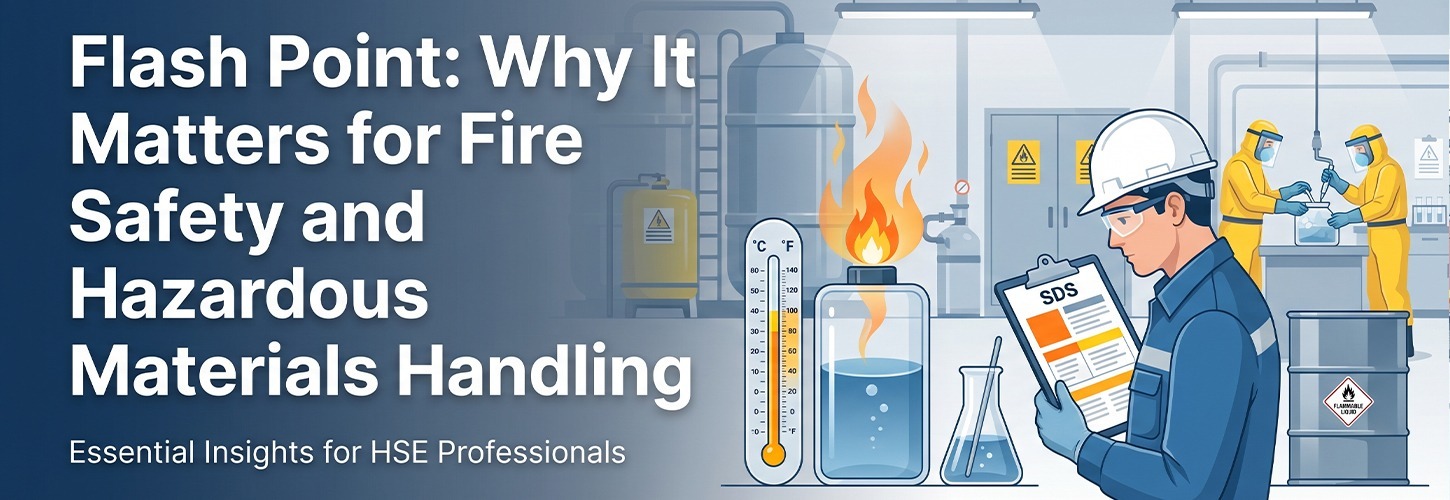
Before handling any chemical, make sure you understand the hazards it may present. Take a few moments to read the product label and check the hazard symbols. Be aware if the chemical is:
2. Review the Safety Data Sheet (SDS)
The Safety Data Sheet (SDS) is your primary source of safety information. Before starting work, check the SDS to find out:
3. Wear the Right PPE
The correct PPE helps protect you from chemical exposure. Depending on the task, you may need:
Always check that your PPE is clean, undamaged, and suitable for the chemical being used.
4. Follow Safe Handling Practices
Safe handling starts with simple habits that should never be overlooked.
Always check that your PPE is clean, undamaged, and suitable for the chemical being used.
5. Be Ready for an Emergency
Everyone should know how to respond if something goes wrong. Make sure you know where to find:
If you notice a spill, a damaged container, a leak, or that someone has been exposed to a chemical, report it immediately and follow your workplace emergency procedures.
Workplace Example of Safe Chemical Handling
The maintenance technician plans on using a chemical cleaner to degrease some equipment. Prior to doing this, he consults the SDS, checks the label of the chemical container, wears the required gloves and protective eyewear, and makes sure the location is well-ventilated. There is a spill kit ready in case of an accident, and after the work is done, the leftover chemical is placed back in its designated storage area.
Conclusion
Regular Chemical Handling Toolbox Talks, combined with proper safety training, help workers identify hazards, handle chemicals safely, respond effectively to emergencies, and maintain a safer workplace.
Our Industry-Specific Corporate Training Programs
We deliver tailored training solutions for industrial organizations, focusing on practical HSE skills, compliance, and workforce development to improve safety performance and reduce risks.
Popular Safety Courses
- Safe Hazardous Material Handling →
- Chemical Handling Storage Training →
- PPE Training →
- Fire Safety Training →
- First Aid Training →
- Confined Space Training →
- Risk Assessment in Workplace →
- Permit to Work Training →
- Lifting Rigging Training →
- Competent Rigger Training →
- Forklift Training →
- Work At Height Training →
Our Recent projects


Contact Us
Kindly call our Experts @ +91 8121563728 / +91 8015527650 or mail us @ kalyan.r@greenwgroup.com / prathyusha.b@greenwgroup.com

Get Your Query Answered / Get Expert Assistance To Choose the Right Course for You Or Your Associates