
Introduction
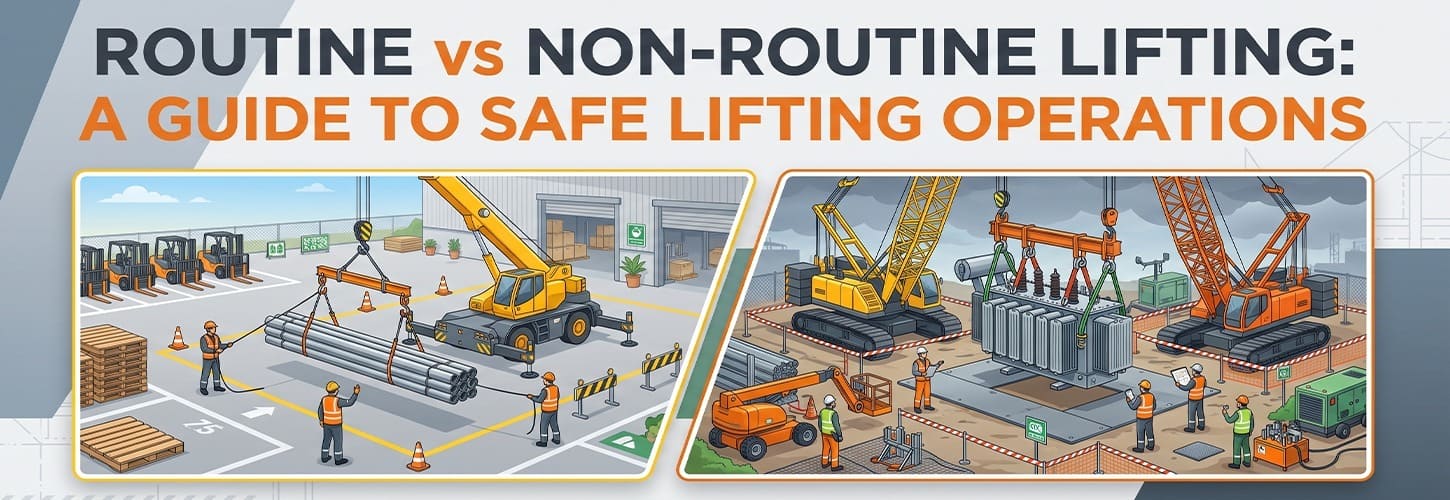
In many industries, such as construction, manufacturing, logistics, and oil & gas, the movement of heavy materials is a routine but critical operation. Lifting, rigging, and handling materials are essential for moving, placing, and storing loads in the work environment. When these operations are not carried out properly, they can lead to serious incidents, including dropped loads, equipment damage, and worker injuries.
In this blog, we explore the essential safety practices and procedures for lifting, rigging, and material handling to help prevent workplace accidents and ensure safer industrial environments.
What is Lifting, Rigging and Material handling operation:
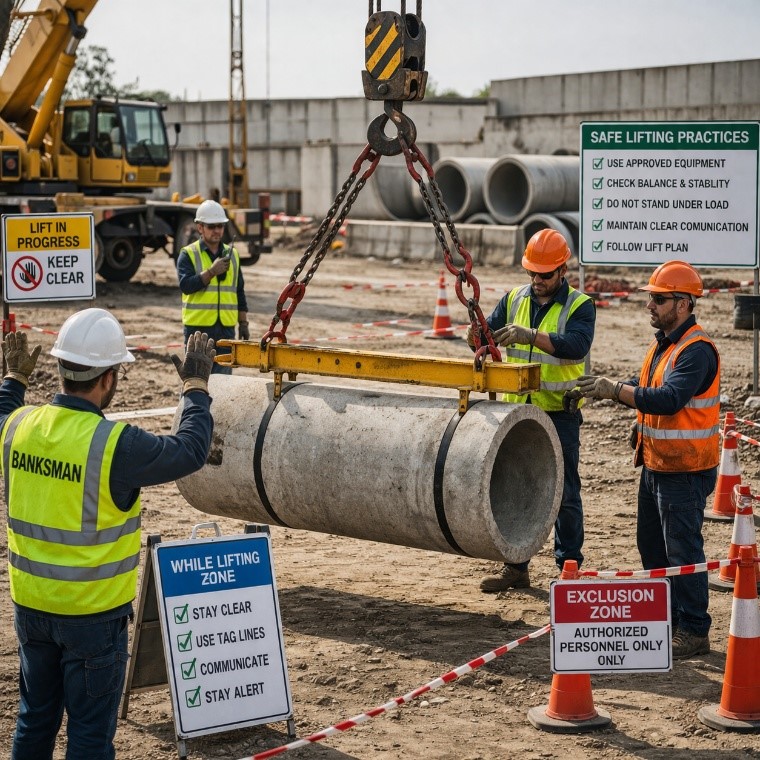
- Lifting involves raising or moving heavy loads using equipment like cranes, hoists, or forklifts—especially when manual handling isn’t possible.
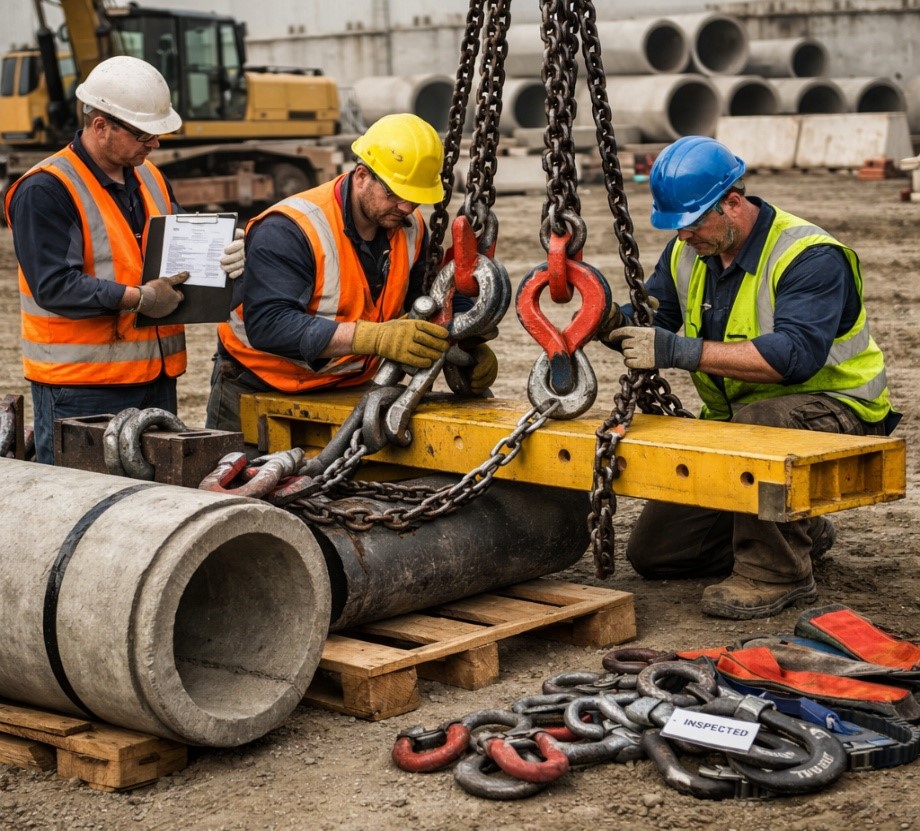
- Rigging is all about selecting and using the right tools—such as slings, shackles, and hooks—to securely support and control the load during lifting.
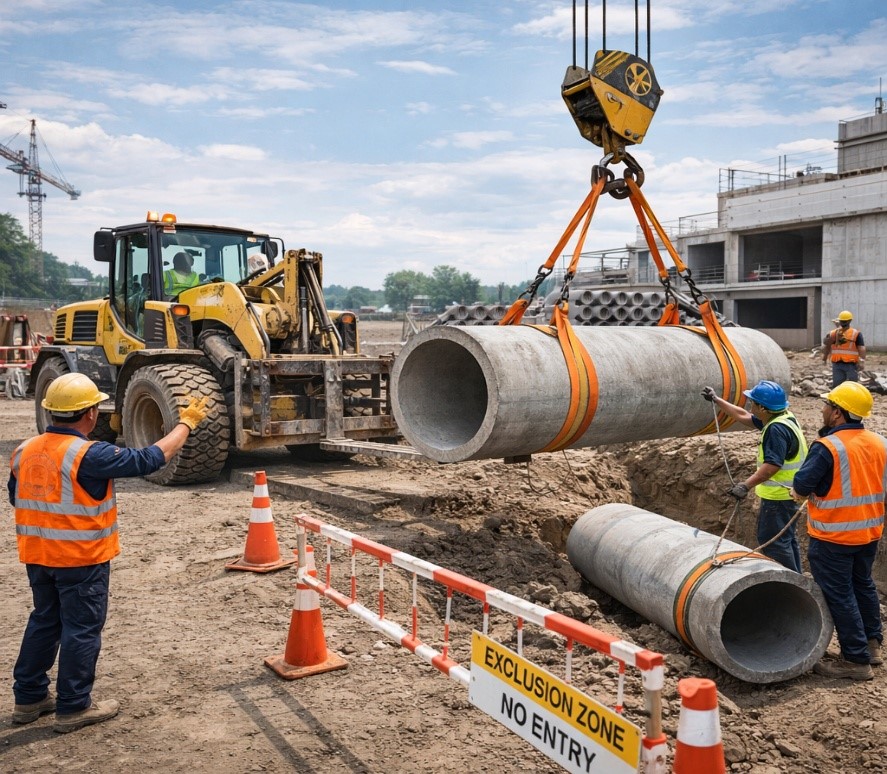
- Material Handling refers to the safe movement, storage, and placement of materials within the workplace.
Together, these operations enable safe and efficient handling of heavy and oversized loads when carried out with proper planning, equipment, and control.
Importance of Lifting, Rigging and Material Handling Safety:
With increasing load complexity and operational demands, lifting, rigging, and material handling require careful planning and a structured approach to ensure safe operations. Without proper management, the risk of incidents increases significantly.
Several international standards highlight this need,
- ISO 45001 (International Organization for Standardization) focuses on risk identification and safe systems of work
- OSHA (Occupational Safety and Health Administration) emphasizes equipment inspection, load limits, and competent operation
- LEEA (Lifting Equipment Engineers Association) promotes correct equipment use and load stability
Many industry data indicate that lifting incidents are often caused by gaps in planning, equipment control, or coordination. For instance, the Census of Fatal Occupational Injuries (CFOI) reported 297 crane-related fatalities between 2011 and 2017, highlighting the need for proper management to prevent failures, protect workers, and ensure smooth operations.
Common Hazards in Lifting, Rigging, and Material Handling Operations:

The most common hazard across lifting, rigging, and material handling operations is the use of equipment and handling of loads by untrained personnel. Competent personnel with proper training play a key role in applying safe practices and maintaining control throughout lifting operations.
Step-by-Step Lifting and Rigging Safety Procedure for Safer Material Handling Operations
Before Lifting (At Planning Stage)

While Rigging (Load Preparation)
While Lifting (At Execution Stage)
During Material Handling (Movement & Placement)
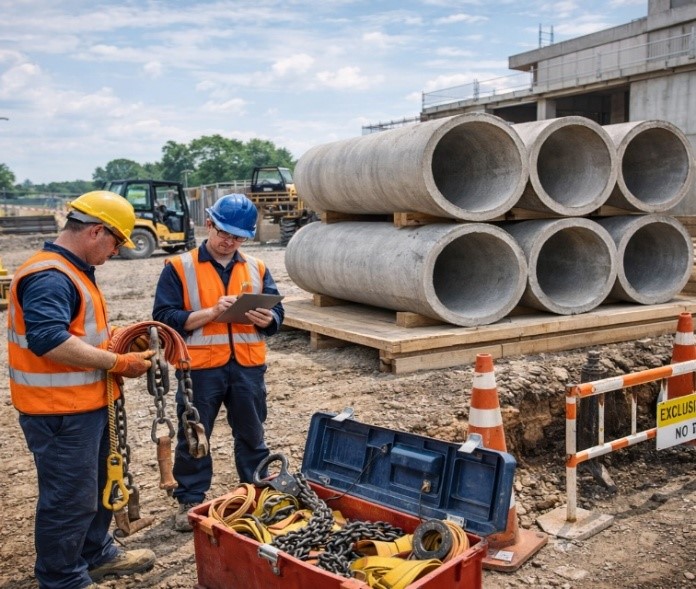
After Lifting (At Completion Stage)
Conclusion: Equipping Your Employee through Safety Training
Lifting, rigging, and material handling operations demand careful planning, the right equipment, and skilled personnel to ensure both safety and efficiency. Following well-structured procedures helps maintain control, reduce risks, and support smooth day-to-day operations.
The success of these activities ultimately depends on competent professionals with strong safety awareness. With expert training from Green World Group, individuals can build the knowledge and confidence needed to carry out lifting tasks safely and effectively.
Contact Us
Kindly call our Experts @ +91 8121563728 / +91 8015527650 or mail us @ kalyan.r@greenwgroup.com / prathyusha.b@greenwgroup.com

Get Your Query Answered / Get Expert Assistance To Choose the Right Course for You Or Your Associates