Work at Height Safety for Employees

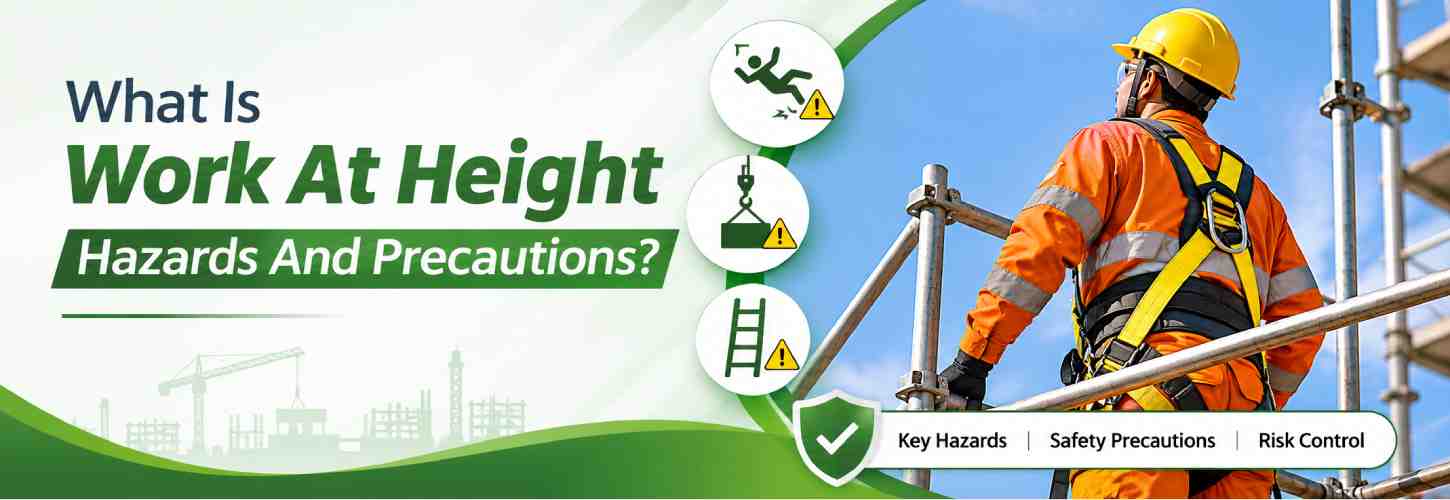
Work at Height means any activity without proper precautions that could result in a fall from Height capable of causing personal injury. Even a single mishap can transform a standard job into a life-threatening accident. Assuring safety is not just a regulatory requirement but also a commitment to protecting lives. Implementing proper measures can create a secure working environment where risks are minimized and lives are safeguarded.

Frequently asked questions

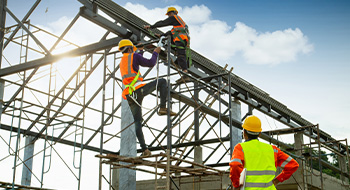
According to OSHA (Occupational Health & Safety Administration), work at height involves tasks at, above, or below ground level where a person could be injured by a fall. For example, working on scaffolds, ladders, roofs, or near open edges.

It mandates fall protection at 4 feet for general industry, 6 feet for construction, and 10 feet for scaffolding. If safety equipment isn’t practical, employers must develop a fall protection plan with hazard assessments and rescue procedures to ensure worker safety.

The 4 P’s for falls are essential to a fall protection strategy designed to prevent injuries when working at heights. They include Planning, Provision, Protection, and Preparation. Following these principles helps prevent falls and ensures safety when working at heights
The five essential personal protective equipment used while working at height are a Safety harness to prevent injury during a fall, a lanyard to connect the harness to an anchor point, a Safety helmet to protect against head injuries, Guardrails to provide physical barriers, and Safety footwear to ensure slip resistance and foot protection. Proper use of these PPE items greatly reduces the risk of injuries.
Fall restraint systems prevent workers from getting close to edges or hazards, stopping falls before they happen. In contrast, fall arrest systems are designed to safely stop a worker who has already fallen, using equipment like harnesses and lanyards to absorb the impact. Each system is crucial for ensuring safety when working at heights.

• Neglecting risk assessments before starting Work.
• Using damaged or inappropriate equipment.
• Ignoring weather factors like wind or rain,
• Not using proper fall protection measures.
• Continuing to work when tired
• Skipping safety training or failing to follow protocols.

The maximum load for scaffolding requires it to support a minimum live load of 75 pounds per square foot (psf), with heavy-duty applications needing 100 psf. However, specific load capacities can vary based on the type and design of the scaffolding system used. Always check manufacturer guidelines and OSHA regulations for precise specifications and safety compliance
A ladder should be positioned at a 75-degree angle, which typically means the base should be one foot away from the wall for every four feet of height.
Guardrails provide physical barriers at edges, while toeboards prevent tools and materials from falling off elevated platforms.
Work at height safety training is crucial in construction, manufacturing, utilities, and telecommunications industries, where employees face fall hazards. Regular training helps mitigate risks associated with tasks performed at elevated levels, ensuring compliance with safety regulations.
• Teaches hazard recognition to identify fall risks.
• Instructs on the proper use of PPE and fall protection systems.
• Covers emergency response and rescue procedures.
• Ensures understanding of OSHA regulatory compliance.
• Boosts confidence for safer work practices.

Documents & Other Resources

POSTERS

Working Safely At Height

As much work as possible from the ground…

Instant download

POSTERS

Fall Protection System

The ABCD’s of Personal Fall Protection

Instant download

Read More

Related videos

Related Corporate Courses

Other Popular Services
Card Slider Using Owl Carousel Plugin - InCoder

Our Partners

Need to know more?

Call Us

We are committed to understanding the needs of our clients and offering appropriate solutions with high quality delivery. We believe that effective and proportionate management of Health Safety & the Environment can lead to significant business benefits as well as being the right thing to do.